Source Casual Canvas Tote Bag for Shopping, Travel, and Work
Find 30 verified options for the casual canvas tote bag featuring custom logos, varied sizes, and fabric linings. Buyers can compare specifications like waterproofing, hardness, and packaging to select the right supplier for daily life or leisure needs.
Key considerations
Products List




Comprehensive Sourcing Guide
Strategic Sourcing Guide for Casual Canvas Tote Bags
Understanding Product Specifications and Material Composition
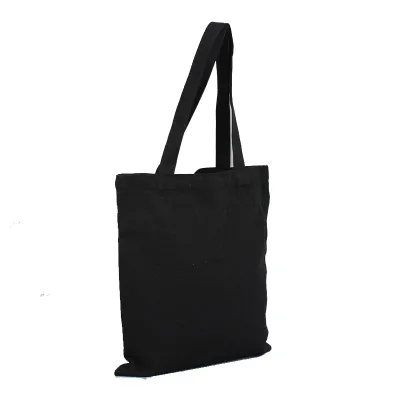
When sourcing casual canvas tote bags, the primary objective is to align material properties with intended usage scenarios. The market offers a diverse range of specifications, but a clear pattern emerges regarding the core construction of these items. The dominant material for the exterior is canvas, often described in product attributes as having a specific texture that defines the "casual" aesthetic. This canvas material is frequently paired with a polyester lining, which serves to reinforce the bag's structure and protect contents from minor abrasions. In some variations, the lining material is simply noted as fabric, indicating a broader category of textile choices that may include cotton blends or other durable weaves.
The physical dimensions of these bags vary significantly based on the specific model and intended capacity. Buyers must verify exact size standards before placing orders, as specifications can range from compact dimensions suitable for daily essentials to larger formats designed for leisure or shopping. Observed standard packaging dimensions in the supply chain often reflect the folded state of the product, with common measurements including 22x30x15 cm and 28x13x20 cm. Larger variants may be specified by flat dimensions such as 35x40 cm or 45x50 cm. These measurements are critical for calculating shipping volumes and determining storage requirements in the buyer's warehouse.
Hardness and texture are also key differentiators. While many casual totes are designed with a "soft" or "medium soft" feel to ensure comfort when carried, some models may exhibit a stiffer structure depending on the canvas weight and lining density. The shoulder strap material is another critical specification; canvas straps are the most common, offering durability and a cohesive look, though buyers should confirm if alternative materials are available for specific design requirements. The color palette often centers on neutral tones like white, but customization options allow for a wide spectrum of hues to match brand identities.
Customization Capabilities and Branding Options
One of the most significant advantages of sourcing casual canvas tote bags is the high degree of customization available to buyers. The industry standard for these products supports extensive personalization, making them ideal for promotional campaigns, corporate gifts, and retail branding. Customization is not limited to color; it extends to the application of logos and graphics. Suppliers typically offer options for embossing customer logos directly onto the material, providing a subtle yet durable branding method. Additionally, printing techniques are widely available, allowing for vibrant, full-color designs that can be applied to the front, back, or sides of the bag.
The "Simple" and "Leisure" styles observed in the market are particularly amenable to customization. These styles often feature a horizontal square design, which provides ample surface area for branding without compromising the bag's structural integrity. The ability to customize logos is often highlighted as a free service or a standard offering, though the specific costs and minimum order quantities for custom artwork should be verified with the supplier. Buyers should note that while the base product is often unisex, the design can be tailored to appeal to specific demographics, such as female-focused styles, by adjusting the shape, strap length, or decorative elements.
Packaging is another area where customization plays a vital role. While the standard packaging for individual units is often an OPP (polypropylene) bag, bulk packaging can be adapted to meet specific logistics needs. Common bulk packaging involves placing 20 to 30 pieces per carton, with the carton itself serving as the primary shipping unit. For premium orders, buyers may request custom cartons or specific labeling to streamline the unboxing experience for their end customers. The flexibility in packaging ensures that the product can be shipped efficiently while maintaining brand presentation standards.
Cost Drivers and Pricing Dynamics
The pricing structure for casual canvas tote bags is influenced by several interconnected factors, including material quality, order volume, and customization complexity. The observed price range in the market spans from approximately $0.49 to $11.40 per unit, reflecting the vast diversity in product specifications. Lower-priced items typically correspond to standard models with minimal customization, basic canvas materials, and simpler construction methods. Conversely, higher-priced units often feature premium materials, complex printing processes, reinforced stitching, or specialized packaging requirements.
Order volume is a primary driver of unit cost. The Minimum Order Quantity (MOQ) for these products generally ranges from 10 to 1000 units, with a common industry standard for custom orders being 300 pieces per style per color. This threshold ensures that suppliers can cover the setup costs for printing and customization while maintaining economies of scale. Buyers who can meet or exceed these MOQs will likely secure more competitive pricing. Additionally, the complexity of the design, such as multi-color printing or the use of specific hardware, can impact the final cost.
Payment terms also play a role in the overall financial planning of a procurement project. Standard payment methods in this sector include Telegraphic Transfer (T/T) and Letters of Credit (L/C). These terms provide security for both parties but may require specific financial arrangements depending on the buyer's location and credit history. Lead times are another cost consideration; sample lead times typically range from 5 to 7 days, while full production delivery can take between 30 to 40 business days. Longer lead times may necessitate earlier planning and potentially higher inventory carrying costs for the buyer.
Compliance, Certification, and Quality Verification
Ensuring compliance with safety and environmental standards is a critical step in the procurement process, particularly for products intended for consumer use. While specific certification statuses like GOTS (Global Organic Textile Standard) or OEKO-TEX are mentioned in background industry knowledge, buyers must verify the actual certification status of the specific supplier and product batch. These certifications are not automatically guaranteed for all canvas tote bags and require explicit confirmation from the manufacturer.
Quality verification should focus on the durability of the stitching, the strength of the shoulder straps, and the integrity of the lining. The product attributes indicate that some models are designed to be washed with water, which is a significant feature for longevity. However, buyers must confirm the washing instructions and the durability of the print or logo after repeated washing cycles. The "Non-Waterproof" attribute found in some models suggests that not all totes are suitable for wet conditions, and this distinction must be clearly communicated to end-users to manage expectations.
Standard dimensions and packaging specifications serve as a baseline for quality control. Buyers should request physical samples to verify that the actual product dimensions match the stated standards, such as 22x30x15 cm or 35x40 cm. Discrepancies in size can lead to issues with packaging efficiency and customer satisfaction. Furthermore, the hardness and texture of the canvas should be consistent with the product description. A "soft" bag should not feel flimsy, and a "medium soft" bag should offer adequate support for its intended load.
Supplier Evaluation and Operational Capabilities
Selecting the right supplier requires a thorough evaluation of their operational capabilities, including their production capacity, lead time reliability, and communication efficiency. The supply chain for casual canvas tote bags is largely based in China, where a high concentration of manufacturers offers competitive pricing and extensive customization options. Buyers should assess the supplier's ability to handle OEM (Original Equipment Manufacturer) requests, as most suppliers welcome such collaborations.
Key indicators of a reliable supplier include their response time to inquiries, the clarity of their product specifications, and their willingness to provide samples. The sample lead time of 5 to 7 days is a standard benchmark; delays in this phase can indicate production bottlenecks or logistical issues. Additionally, the supplier's experience with similar products, such as tote bags with specific models like SU-HDB-012 or B999000289, can be a strong indicator of their expertise. Buyers should request references or case studies from previous clients to validate the supplier's track record.
Communication regarding payment terms and logistics is equally important. Suppliers should be transparent about their payment methods, such as T/T or L/C, and provide clear instructions for international transactions. The delivery time of 30 to 40 business days is a standard expectation, but buyers should confirm if this timeline includes customs clearance and final delivery to their destination. A supplier who proactively communicates potential delays or provides tracking information demonstrates a higher level of professionalism and reliability.
Long-Term Procurement and Strategic Considerations
For buyers looking to establish a long-term relationship with a supplier, strategic planning is essential. The casual canvas tote bag market is dynamic, with trends shifting towards more sustainable materials and eco-friendly production methods. While current product attributes highlight standard canvas and polyester materials, buyers should inquire about the availability of organic or recycled options to align with evolving consumer preferences. The ability to adapt to these trends can provide a competitive advantage in the marketplace.
Inventory management is another critical consideration. Given the lead times and MOQs, buyers should develop a forecasting model that accounts for seasonal demand fluctuations. The standard packaging of 20-30 pieces per carton can be optimized for storage, but buyers should ensure that their warehouse space is sufficient to handle bulk shipments. Additionally, the flexibility to adjust order quantities based on market response is valuable; suppliers who can accommodate smaller reorders or split shipments can help buyers mitigate the risk of overstocking.
Finally, the potential for product iteration should be considered. As the market evolves, buyers may need to update their product lines with new styles, colors, or features. A supplier with a robust R&D capability can assist in developing new designs, such as incorporating new strap materials or exploring different texture options. By maintaining a collaborative relationship with a supplier, buyers can ensure a steady supply of high-quality casual canvas tote bags that meet the changing needs of their customers while maintaining cost efficiency and brand integrity.
FAQs
What customization options are available for logos on these bags?
Customized logos are available, including free embossing of customer logos. Printing is also offered as a style detail for branding. Buyers should verify specific MOQ requirements for custom artwork, which typically start at 300 pieces per style and color.
How long does it take to receive samples and full orders?
Sample lead time is typically 5 to 7 days. Full production delivery takes between 30 to 40 business days. These timelines apply to standard orders and may vary based on customization complexity and current factory capacity.
Can these casual canvas tote bags be washed with water?
Yes, specific models are designed to be washed with water. However, some variants are listed as non-waterproof, so buyers must check the specific product attributes. Always confirm washing instructions to ensure the print and logo durability.
What are the standard packaging and shipping dimensions for these bags?
Individual units are often packed in OPP bags, while bulk orders use cartons containing 20 to 30 pieces. Standard packaging dimensions observed include 22x30x15 cm and 28x13x20 cm. Larger variants may be specified by flat dimensions like 35x40 cm.
Which materials are used for the exterior and lining of the bags?
The exterior texture is primarily canvas, offering a casual look. The lining material is typically polyester or fabric. Some models feature canvas shoulder straps, ensuring durability and a cohesive aesthetic for daily life and leisure usage.
What is the minimum order quantity for custom styles and colors?
The minimum order quantity is generally 300 pieces per style per color. However, the observed MOQ range across the market spans from 10 to 1000 units. Buyers should confirm the specific threshold with the supplier before placing an order.
Where are these casual canvas tote bags manufactured?
The products originate from China, where a high concentration of manufacturers offers competitive pricing. Buyers should verify the specific factory location and operational capabilities to ensure reliability. Most suppliers welcome OEM requests and provide clear communication on logistics.